Can Your Truck Pull It? How to Choose the Right Tow Vehicle for an Off-Road Trailer
You’ve found the trailer. It checks every box from the suspension, solar, four-season insulation, the right floor plan. Then you look up the tow ratings for your truck and suddenly you’re confused. Gross vehicle weight. Tongue weight. Payload capacity. GVWR. The numbers multiply faster than you expected.
Here’s the thing: tow vehicle compatibility is the most common question our Sales Coaches at ROA hear and it’s the question most other places give the worst answers to. This guide cuts through the confusion.
Why This Question Is Harder Than It Looks
Tow ratings are a starting point, not a final answer.
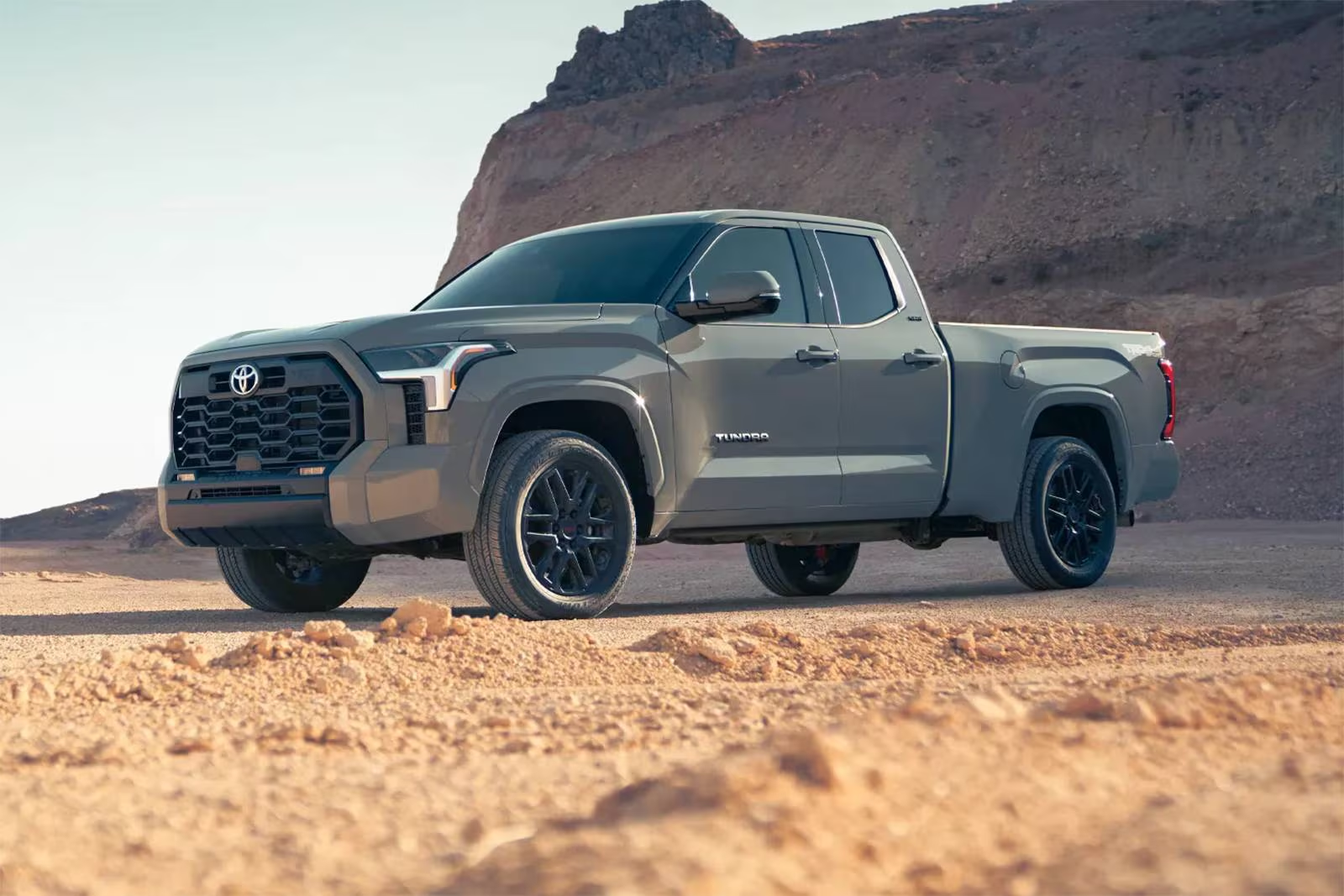
Every truck comes with a maximum tow rating from the factory. But that number is calculated at the truck’s lightest possible configuration, that means no passengers, no gear, no aftermarket accessories, often with the base engine and shortest cab. The moment you add a full tank of fuel, two adults, camping gear, and the accessories most overlanders run, your available tow capacity shrinks.
Often times, the number that actually limits you isn’t the tow rating. It’s payload capacity.
Payload capacity is how much total weight you can load: passengers, cargo, and tongue weight from the trailer. Many mid-size trucks have 1,200–1,600 lbs of payload. A couple plus their gear can eat half of that before you hitch anything. The remaining payload has to cover the trailer’s tongue weight, which is typically 10–15% of the trailer’s loaded weight.
This is where the math gets uncomfortable for a lot of people.
The Four Numbers That Actually Matter
1. Your Truck’s Payload Capacity
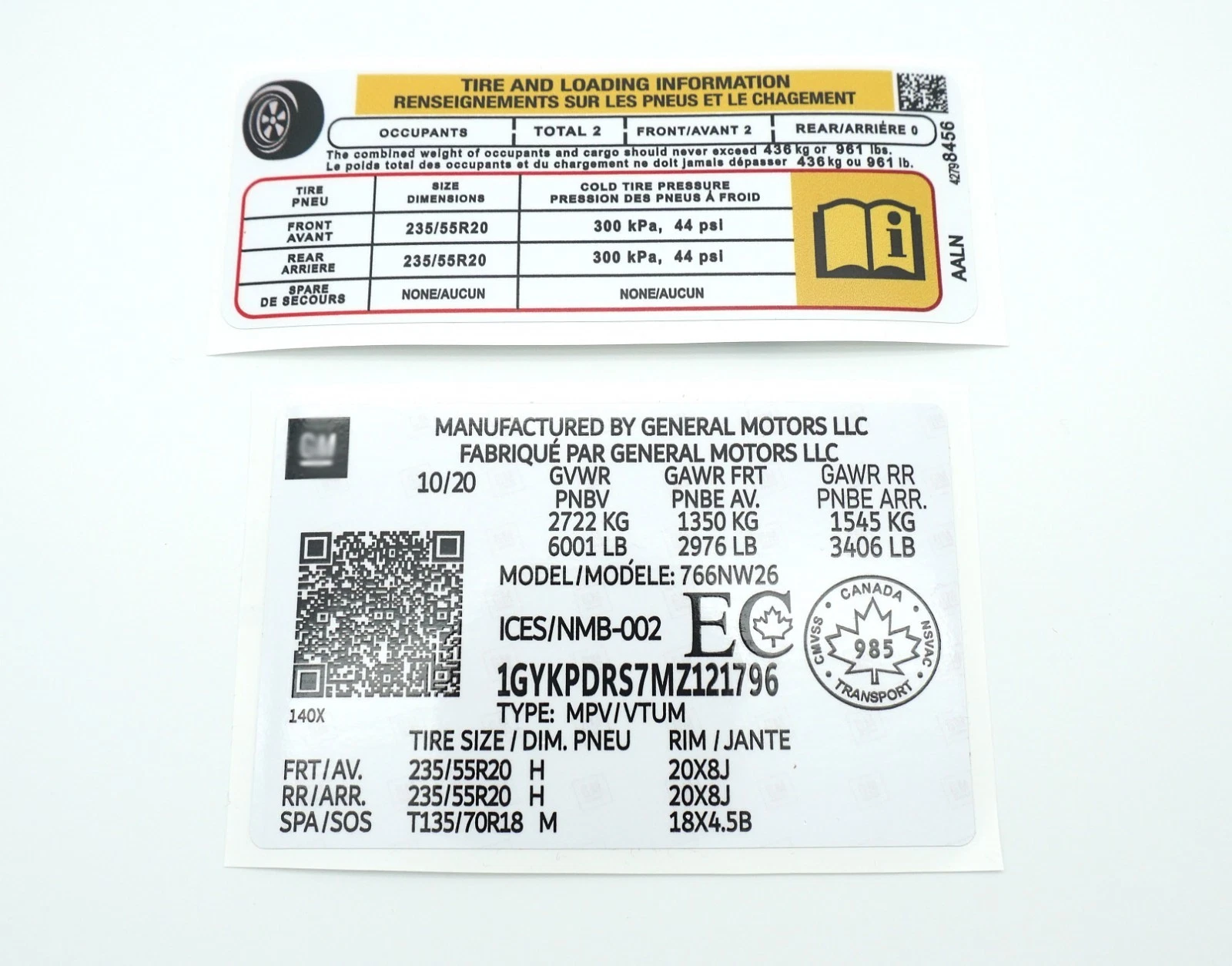
Find this on the yellow sticker inside your driver’s door jamb. This is the maximum combined weight of people, cargo, and tongue weight your truck can carry. This is your real constraint.
2. The Trailer’s Loaded Weight
This is not the trailer’s dry weight. Add water (8.3 lbs per gallon), food, gear, bedding, tools, bikes, everything you’re actually camping with. Most people add 500–1,000 lbs over the dry weight spec when they load honestly.
3. Tongue Weight
Calculate 10–15% of your trailer’s loaded weight. That number has to fit within your remaining payload after accounting for passengers and gear.
4. Tow Rating vs. Tongue Weight Rating
Some trucks with impressive tow ratings have surprisingly low tongue weight ratings. A truck rated to pull 10,000 lbs may only be rated for 1,000 lbs of tongue weight. That limits you to much lighter trailers than the tow number suggests.
What Most People Get Wrong
Trusting the Sticker Tow Rating Without Checking Payload
A Ram 1500 rated for 12,580 lbs of towing doesn’t mean you can hitch a 9,000 lb trailer and go. If the payload is 1,800 lbs and you have 400 lbs of passengers and gear, you have 1,400 lbs left for tongue weight — which limits you to a trailer with a loaded weight under 10,000 lbs. For most off-road trailers, that’s fine. But know the real math.
Assuming You Need a Bigger Truck
Sometimes you do. But plenty of our Roamers are pulling the right compact trailer with the truck they already own, camping in terrain most conventional RVs never reach. A Sales Coach will tell you honestly whether your truck works — and if it doesn’t, what your realistic options are, including which trailers fit your current setup and whether an upgrade makes sense for how you plan to use it.
How ROA Approaches the Tow Vehicle Question
This is one area where ROA’s specialization makes a real difference.
When you reach out to a Sales Coach, one of the first questions they ask is what you’re towing with. They need the year, make, model, trim, and cab/bed configuration because those details change the numbers. Then they calculate the actual payload math with you, not around you.
We also have a great resource with our tow guide, you just put your truck model in, and it only shows you the trailers that work for you.
If your truck works: They’ll point you to the models that fit it and explain the range.
If your truck doesn’t work for the trailer you want: they’ll tell you that too. Not because they’re trying to sell you a truck, but because a Roamer who buys the wrong trailer doesn’t use it. That’s bad for everyone.
You can visit an Experience Center in Mesa, Colorado Springs, Duncan, or Lindon to see the models side by side and walk through this conversation in person. You can also text any of our locations, give them your truck details and the kind of camping you’re planning, and they’ll walk you through the numbers in one conversation.