The Rise of Glamping in America: What It Means for the Outdoor Lifestyle
Tired of sleeping on the ground or roughing it in crowded campgrounds? You’re not alone. Across the country, more and more people are choosing comfort without giving up the wild. It’s called glamping, short for glamorous camping, and it’s turning traditional outdoor travel on its head.
But this isn’t just a passing trend. Glamping is reshaping how Americans connect with the outdoors, especially as travelers look for a deeper experience that doesn’t sacrifice a warm bed or a hot shower. Whether it’s a luxury tent with mountain views or a cozy cabin tucked deep in the woods, the glamping lifestyle is booming.

Image Credit: Forbes
What Is Glamping?
At its core, glamping is about bridging rugged nature with absolute comfort. You still wake up to birdsong. You still cook outside and breathe clean, pine-scented air. But instead of hauling a tent and sleeping bag, you might show up to:
-
A safari-style canvas tent with a king-size bed and private bath
-
A rustic cabin with heat, air conditioning, and Wi-Fi in the lodge
-
A restored Airstream with all the charm and none of the leaks
According to industry experts, glamping is simply camping with upgraded amenities. And people are embracing it at a staggering rate.
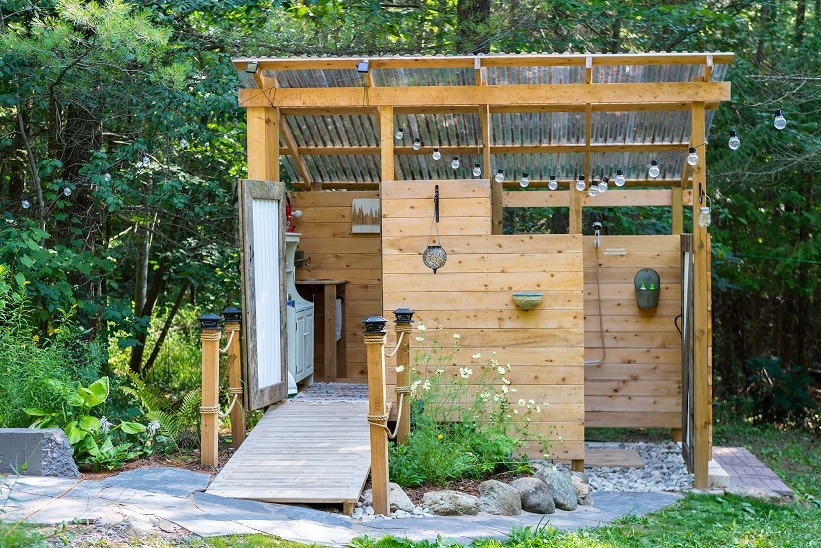
Image Credit: HoemBiogas
Why Glamping Is Booming
Over the past decade, glamping has exploded in popularity. What started as a niche idea in Europe is now a multi-billion-dollar industry in North America. Here’s why:
-
Comfort matters. Campers want nature without giving up hot water, soft bedding, and space to move around.
-
Younger generations are spending more. Gen Z and Millennials make up over 60% of new glampers, often paying twice as much per night as traditional campers.
-
The experience is Instagram-worthy. Think wildflower bouquets on the table, cozy throws, and lantern-lit evenings, the kind of scenes you want to share.
-
Staycations are rising. Glamping lets people get away without flying far or crossing borders. Just pick a spot nearby and check out.
Add in the fact that glampers spend 45% more in local communities than standard campers, and it’s no surprise that small towns and outdoor destinations are embracing this shift.
Image Credit: Southern Illinois Vacation Rentals
The Most Popular Glamping Setups
Today’s glampers aren’t all staying in the same kind of shelter. The variety is part of the appeal. Here’s what’s trending:
-
Cabins & Eco Pods: The most popular pick, especially among families. Often built with sustainable materials and tucked in scenic areas.
-
Safari Tents: Spacious, often with wooden decks, windows, and bathrooms. Inspired by African safaris, now found across the U.S.
-
Tipis & Covered Wagons: Unique, culturally rooted experiences with a nostalgic feel. Great for those wanting to tap into American heritage.
-
Luxury Tents: Think wood-burning stoves, chandeliers, private baths, all under canvas.
And let’s not forget the off-road trailers like those in the ROA lineup, which offer glamping mobility. You’re not stuck at one site. You take the luxury with you, from desert canyons to alpine lakes.
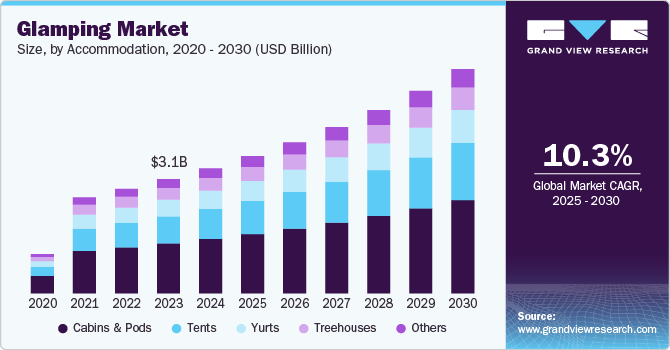
Image Credit: Grand View Research
What Glampers Want
It’s not just about the shelter. It’s about the whole experience. Glampers are looking for:
-
Real beds and clean linens
-
Private bathrooms or bathhouses
-
Electricity and occasional Wi-Fi
-
Pet-friendly policies
-
Unique touches, like hot tubs, fire pits, and outdoor kitchens
They’re also more eco-conscious than ever. Many glamping sites now use composting toilets, greywater systems, solar power, and local materials.

Image Credit: USA Today
Glamping by the Numbers
Let’s talk facts:
-
The U.S. glamping market was worth $885 million in 2024
-
It’s projected to reach over $1.3 billion by 2029
-
Cabins account for over 38% of all bookings
-
Tent-based stays are growing at 13.6% annually
-
Over 74% of glampers plan to do it again
-
Direct bookings (not third-party sites) made up 51% of 2024 reservations
That’s not a fad. That’s a cultural shift.
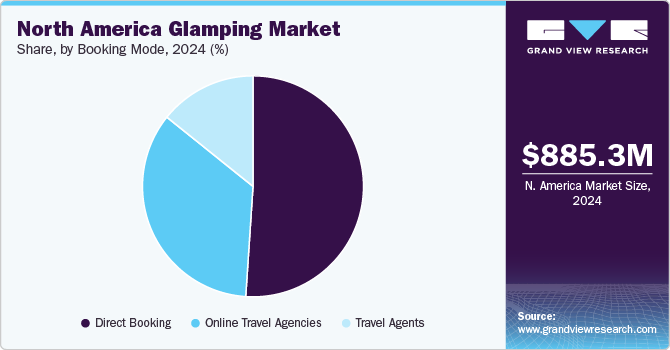
Image Credit: Grand View Research
Who Is Glamping?
While younger travelers dominate the trend, interest spans all age groups:
-
Ages 18–32 are fueling the most significant surge, often booking for concerts, weddings, and festivals
-
Ages 33–50 are driving long-term growth, looking for family getaways that blend comfort and nature
-
Older generations are using glamping for couples’ retreats or quiet escapes
And diversity is growing. Glamping participation among Black travelers doubled in just one year. Interest is also highest among Hispanic and Asian leisure travelers. This isn’t just a one-demographic trend; it’s across the board.
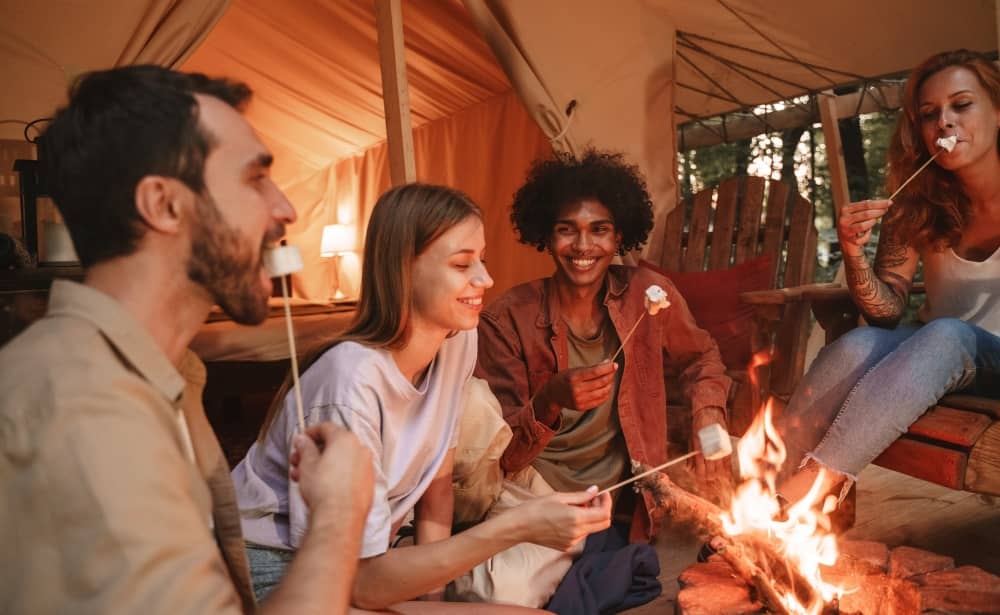
Image Credit: Eco Structures
What This Means for the ROA Community
For Roamers, this trend is more than a market shift. It’s validation. We’ve known all along that getting into the wild shouldn’t mean giving up comfort or connection.
That’s why our trailers are built the way they are. You want to unplug without going primitive. You want:
-
A real bed at night
-
A place to cook actual meals
-
A hot shower after a hike
-
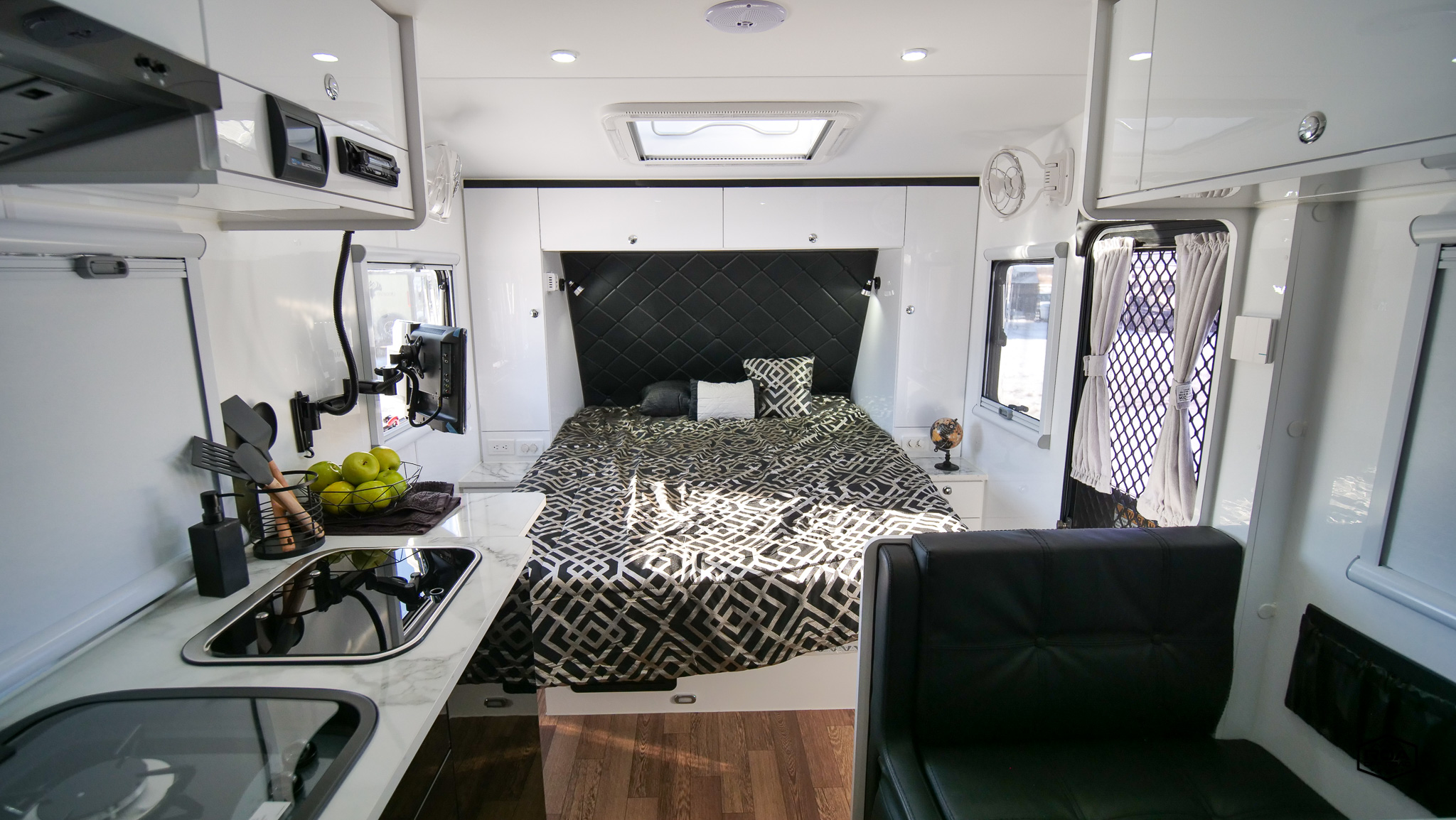
Heat and A/C that work when the weather flips
Whether you stay in a luxury tent for a weekend or haul your trailer off the grid for a month, glamping is about making the wild feel like home.
Final Thoughts: The Future of Comfort in the Outdoors
Glamping isn’t going anywhere. If anything, it’s just getting started. The demand for comfortable, sustainable, off-grid RV travel is rising — and it’s reshaping how Americans experience nature.
As more travelers choose quiet forests over crowded resorts, they’re discovering what Roamers have always known: Peace, comfort, and adventure aren’t separate goals. They belong together.
So, whether you’re booking a glamping resort or heading out with your ROA trailer, you’re not just chasing comfort. You’re reclaiming your time, your freedom, and your connection to the outdoors on your terms.